
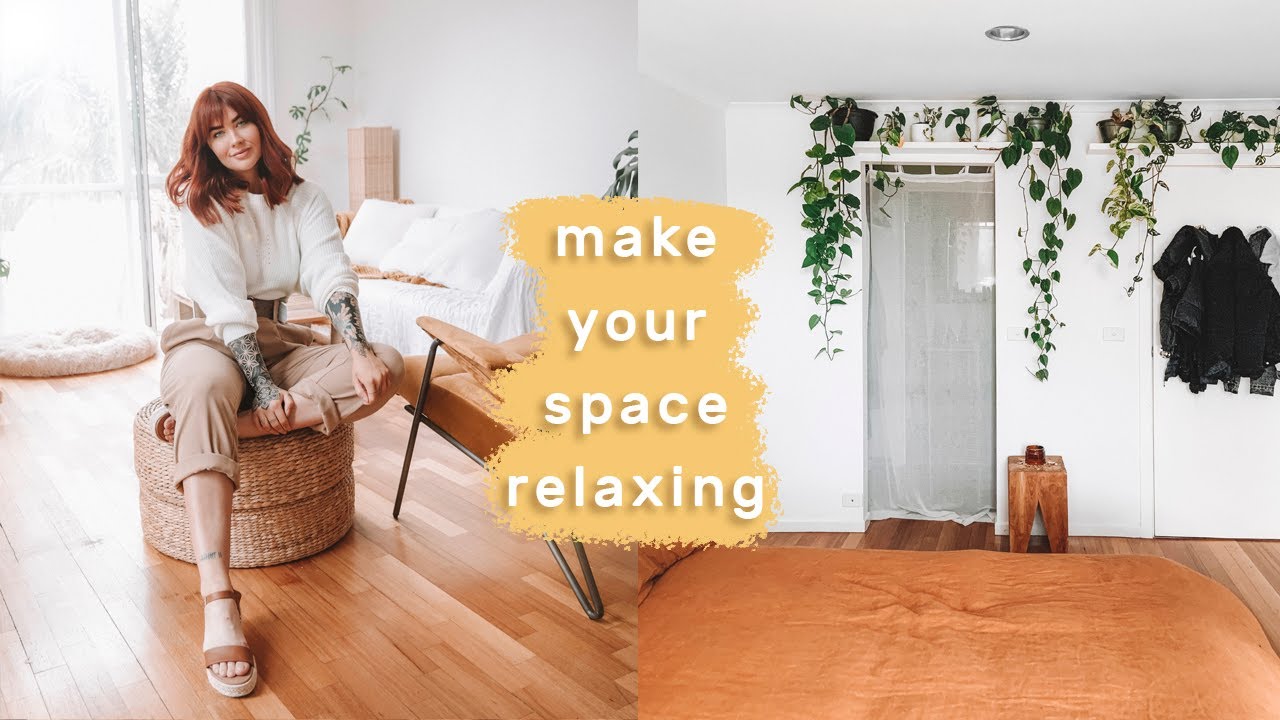
Your home should be a sanctuary—a place where you can unwind, recharge, and feel completely at ease. But with busy schedules, clutter, and constant distractions, many people struggle to achieve a calm and relaxing environment. The good news is, creating a peaceful home doesn’t require expensive renovations or fancy décor. With intentional choices, you can transform your space into a haven that supports both mental and physical well-being.
1. Declutter and Organize
Clutter can be a major source of stress. A disorganized space can make your mind feel chaotic and anxious. Start by:
- Tidying up regularly: Spend 10–15 minutes each day putting things in their place.
- Removing unnecessary items: Donate or recycle things you no longer use.
- Organizing essentials: Use baskets, shelves, and storage bins to keep items neat.
A clean and organized home instantly feels more relaxing and inviting.
2. Use Calming Colors
Colors have a psychological effect on our mood. Choosing the right palette can create a soothing atmosphere:
- Soft blues and greens: Promote calm and relaxation.
- Neutral shades like beige, white, and gray: Make spaces feel open and airy.
- Warm accents in small doses: Such as soft pink or light yellow, to add comfort.
Avoid overly bright or harsh colors in areas where you want to unwind, like the bedroom or living room.
3. Maximize Natural Light
Natural light improves mood, energy, and even sleep patterns. Ways to incorporate more light:
- Keep windows clean and unobstructed
- Use sheer curtains to diffuse sunlight
- Arrange mirrors to reflect light around the room
If natural light is limited, consider soft, warm artificial lighting to mimic sunlight.
4. Introduce Natural Elements
Bringing nature indoors can instantly make a space feel peaceful. Ideas include:
- Houseplants: Snake plants, peace lilies, or pothos purify the air and add greenery.
- Wooden furniture or décor: Adds warmth and natural texture.
- Water features: Small fountains create soothing sounds.
Natural elements help reduce stress and increase a sense of well-being.
5. Minimize Noise Pollution
A noisy environment can make it hard to relax. Reduce unwanted sounds by:
- Using rugs and curtains to absorb sound
- Playing calming background music or nature sounds
- Closing doors to noisy areas or using noise-canceling devices
A quiet home fosters relaxation and concentration.
6. Create Dedicated Relaxation Zones
Having spaces designed specifically for rest and leisure can enhance your home’s tranquility:
- Reading nook: A cozy chair with a blanket and good lighting.
- Meditation corner: Minimal décor, a mat, and calming elements like candles or incense.
- Outdoor area: Balcony or garden with plants and comfortable seating.
Even small spaces can be optimized for relaxation.
7. Pay Attention to Scents
Aromas influence mood and stress levels. Incorporate pleasant scents through:
- Essential oils like lavender, chamomile, or eucalyptus
- Scented candles or diffusers
- Fresh flowers or herbs
Scents can create an immediate sense of calm and make your home more inviting.
8. Keep Technology in Check
Electronic devices can contribute to stress if not managed wisely. Tips to reduce tech-related tension:
- Avoid checking emails or social media first thing in the morning
- Designate tech-free zones in the home
- Use soft lighting for screens in the evening to reduce eye strain
This helps create a more mindful and peaceful atmosphere.
9. Personalize Your Space
A home should reflect your personality and make you feel comfortable. Add touches that bring joy:
- Family photos or art you love
- Cozy throws, cushions, and rugs
- Objects or souvenirs that evoke positive memories
Personal touches create a sense of belonging and emotional comfort.
10. Establish Daily Rituals
Small daily habits can enhance the relaxing vibe of your home:
- Morning stretches or yoga in a quiet space
- Evening tea or reading ritual
- Regularly tidying your living space
Consistency in routines reinforces calmness and balance.
Conclusion
Creating a relaxing home environment is about intentional choices rather than perfection. By decluttering, incorporating soothing colors and natural elements, minimizing noise, managing technology, and adding personal touches, you can transform your home into a peaceful sanctuary. A home designed for relaxation supports your mental health, reduces stress, and helps you feel refreshed every day. Remember: your home should be your retreat—a place where you can truly recharge and enjoy life.