
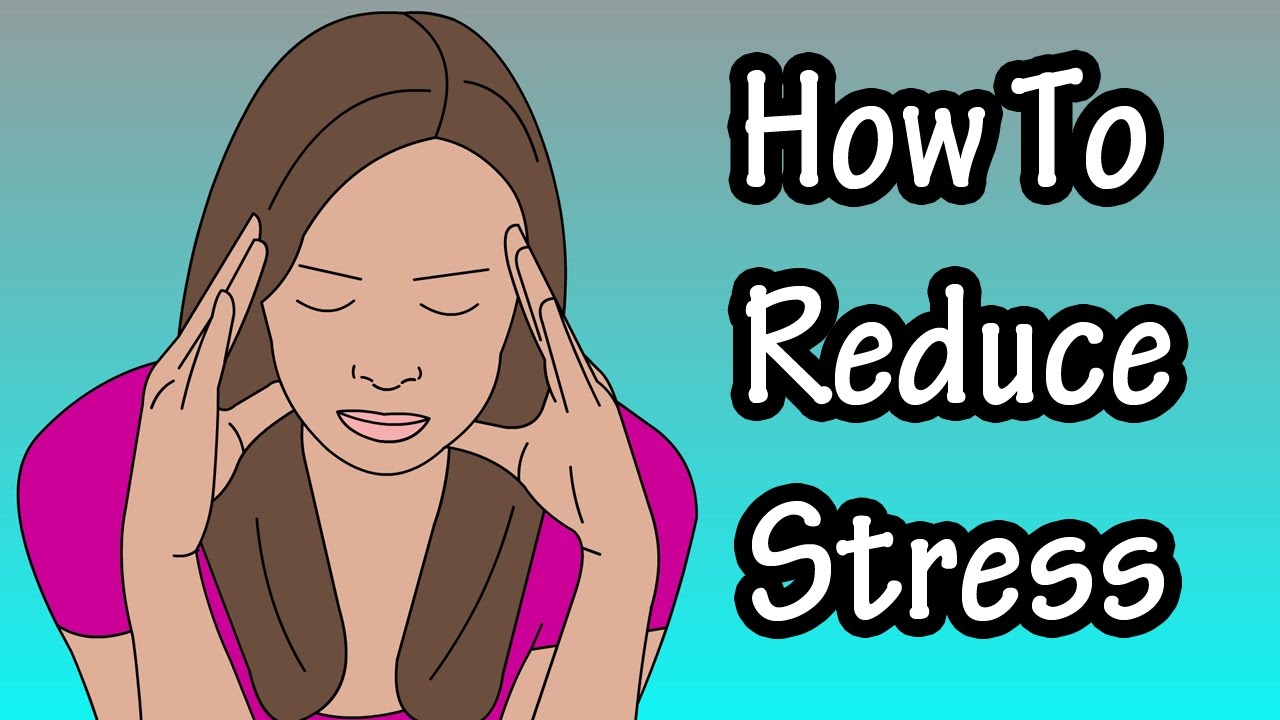
Stress is a normal part of life, but when it becomes chronic, it can take a serious toll on your physical and mental health. High stress levels can lead to insomnia, anxiety, digestive issues, and even weaken your immune system. The good news is, there are many natural and effective ways to reduce stress without relying on medications. This guide explores practical strategies that can help you feel calmer, happier, and more in control of your life.
1. Understand Your Stress Triggers
The first step in managing stress is identifying what causes it. Everyone’s triggers are different—common ones include:
- Work-related pressure or deadlines
- Financial worries
- Relationship conflicts
- Health concerns
Once you recognize your triggers, you can take targeted actions to reduce their impact. Keeping a stress journal can help you track patterns and understand what situations consistently cause tension.
2. Practice Mindful Breathing
One of the simplest and most powerful tools for stress relief is mindful breathing. Slow, deep breaths can instantly calm your nervous system and reduce tension. Try this technique:
- Sit comfortably and close your eyes.
- Inhale slowly through your nose for 4 counts.
- Hold your breath for 2 counts.
- Exhale slowly through your mouth for 6 counts.
- Repeat for 5–10 minutes.
Regular practice not only lowers stress but also improves focus, mood, and heart health.
3. Exercise Regularly
Physical activity is a natural stress-buster. Exercise releases endorphins—your body’s “feel-good” chemicals—which improve mood and reduce anxiety. Some effective options include:
- Walking or jogging: Even 20 minutes a day can help.
- Yoga: Combines stretching with mindfulness for both mental and physical benefits.
- Strength training: Builds confidence and reduces tension in muscles.
Consistency matters more than intensity. Find an activity you enjoy and make it part of your routine.
4. Eat a Balanced Diet
Your diet plays a key role in stress management. Certain foods can increase anxiety, while others can help your body cope better. Focus on:
- Fresh fruits and vegetables
- Whole grains like oats, quinoa, and brown rice
- Healthy fats from nuts, seeds, and avocado
- Lean proteins such as chicken, fish, and legumes
Limit processed foods, sugary drinks, and caffeine, as they can increase stress and disrupt sleep.
5. Prioritize Sleep
Sleep and stress are closely connected. Poor sleep can make stress feel worse, and high stress can make it harder to sleep. Improve your sleep hygiene by:
- Maintaining a regular sleep schedule
- Avoiding screens 1 hour before bed
- Creating a calm bedroom environment (dark, quiet, and cool)
- Practicing relaxation techniques like meditation or reading before sleep
Even small improvements in sleep quality can significantly reduce stress levels.
6. Try Relaxation Techniques
There are many relaxation techniques proven to reduce stress naturally. Some popular ones include:
- Meditation: Spend 10–20 minutes daily focusing on your breath or a calming visualization.
- Progressive Muscle Relaxation: Tense and release muscle groups to relieve tension.
- Listening to calming music: Soft instrumental music or nature sounds can lower cortisol levels.
Experiment to find what works best for you.
7. Spend Time in Nature
Being in nature can have a powerful effect on mental well-being. Studies show that spending time outdoors reduces stress hormones and improves mood. You can:
- Take a walk in a park or forest
- Sit by a river or beach
- Practice gardening or other outdoor hobbies
Even 15–20 minutes of fresh air daily can help you feel more relaxed and centered.
8. Connect with Others
Social support is crucial for managing stress. Talking to friends, family, or a support group can provide comfort and perspective. Tips for connection:
- Share your feelings openly with someone you trust
- Join community groups or online forums
- Volunteer or help others to boost positive emotions
Strong relationships act as a buffer against life’s pressures.
9. Practice Gratitude
Focusing on what you’re thankful for can shift your mindset and reduce stress. Keep a gratitude journal and write down three things you appreciate each day. Gratitude exercises can:
- Improve emotional resilience
- Reduce negative thinking
- Increase overall life satisfaction
10. Limit Negative Media Exposure
Constant exposure to negative news or social media can increase anxiety and stress. Protect your mental space by:
- Setting time limits for social media
- Following positive or educational accounts
- Avoiding doomscrolling, especially before bed
Curating your media consumption helps maintain a calmer mind.
11. Engage in Hobbies and Creative Activities
Doing something you love can distract you from stress and boost endorphins. Consider:
- Painting, drawing, or crafting
- Cooking or baking
- Playing a musical instrument
- Writing or journaling
Creative activities allow your mind to relax and express itself.
Conclusion
Stress is inevitable, but you have the power to manage it naturally. By incorporating mindful practices, physical activity, good nutrition, sleep, social support, and hobbies into your life, you can reduce stress significantly and enjoy a healthier, happier life. Remember, even small daily steps make a big difference over time. Prioritize yourself—your mental and physical well-being matters.